What the Roborock S7 Self-Cleaning Station Can Do: A Detailed Test
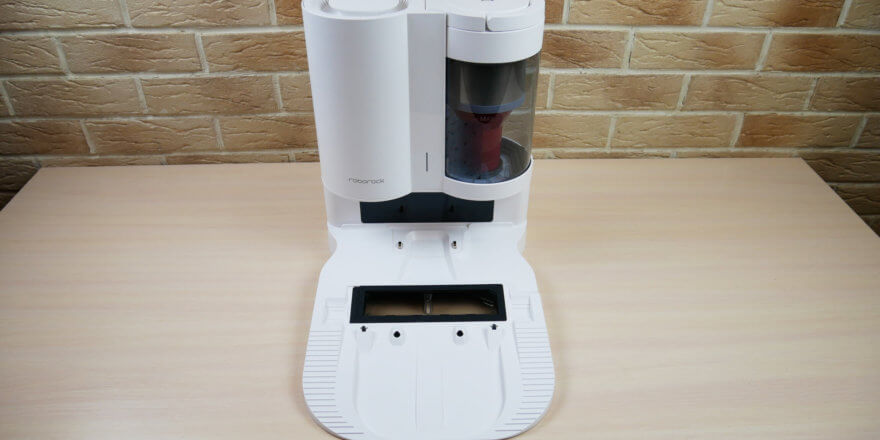
This review will examine the Roborock S7 self-cleaning station, which is finally available for purchase. The base's design is unique and offers several advantages over similar devices, but it's also quite pricey. At the time of writing, the station costs between $210 and $250. A purchase link is provided at the end of the review. Below, I'll detail the base's design, its special features, and, most importantly, how well it performs its primary function—sucking up various types of debris from the robot vacuum cleaner's dust bin. Let's get started!
Equipment
The self-cleaning station is packaged in a bright, branded box like this:
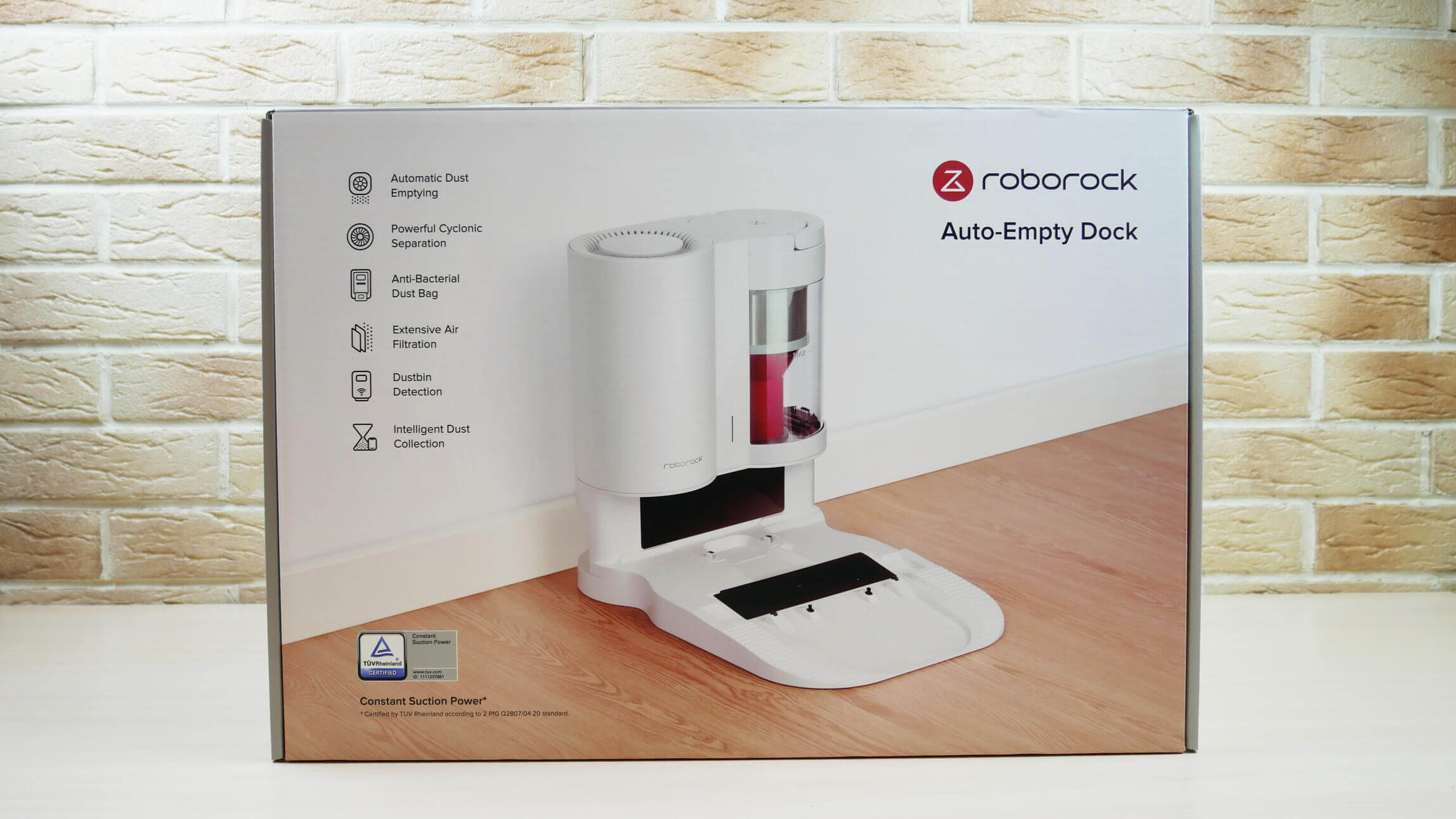
Box
It contains:
- Foundation of the station.
- The so-called engine compartment with a dust collector.
- Power adapter.
- Quick Start Guide.
- Detailed instructions in several languages, but translation into Russian is not provided.
- A special dust collector, the design of which allows the robot vacuum cleaner to clean itself.
- Holder for disposable bag.
- Disposable bag for the station.
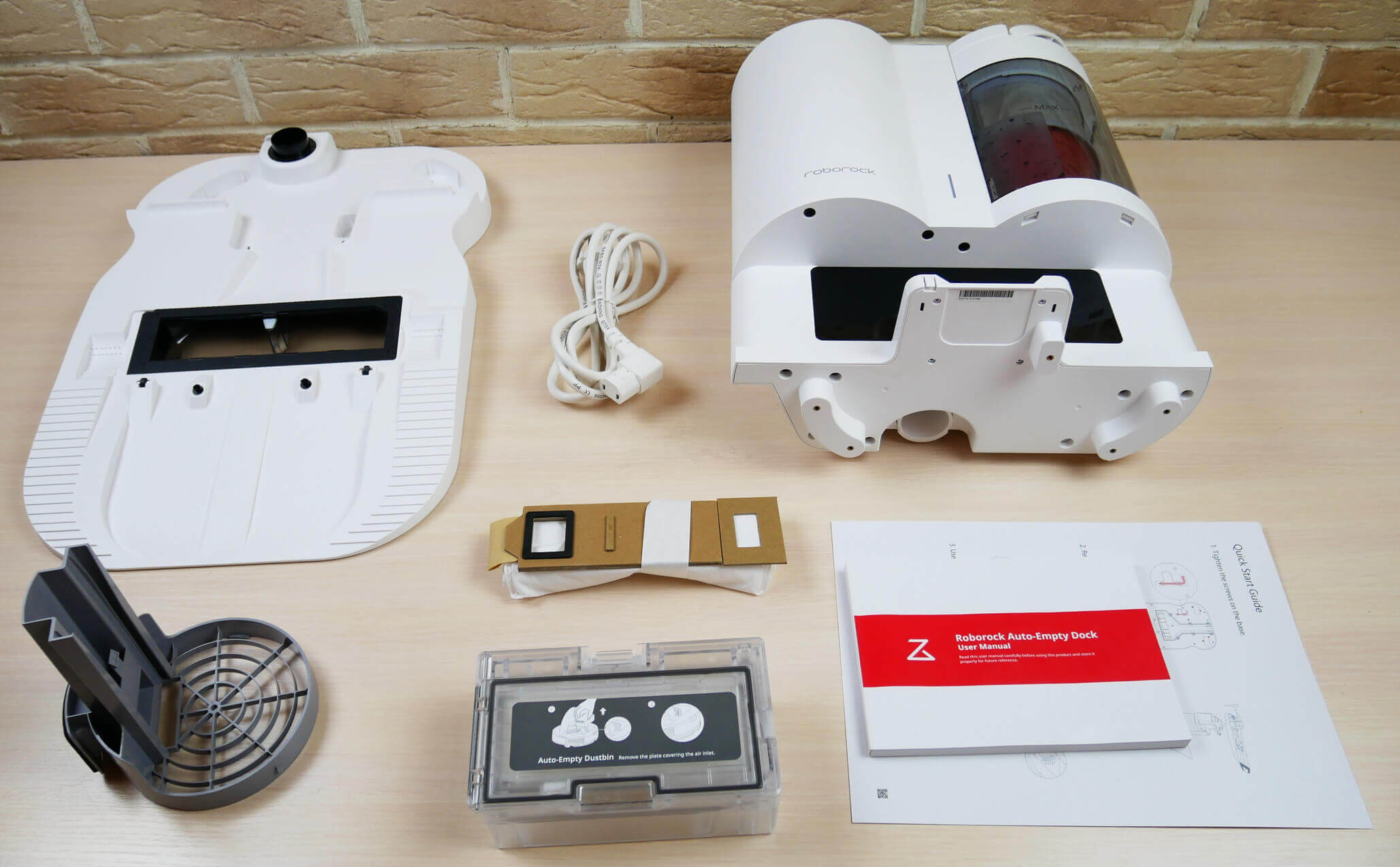
Equipment
Appearance
Now let's look at how the self-cleaning station works. First, it needs to be assembled. A special tool for tightening screws is attached to the bottom of the platform. The screws that attach the platform to the engine compartment are numbered. There are five of them.
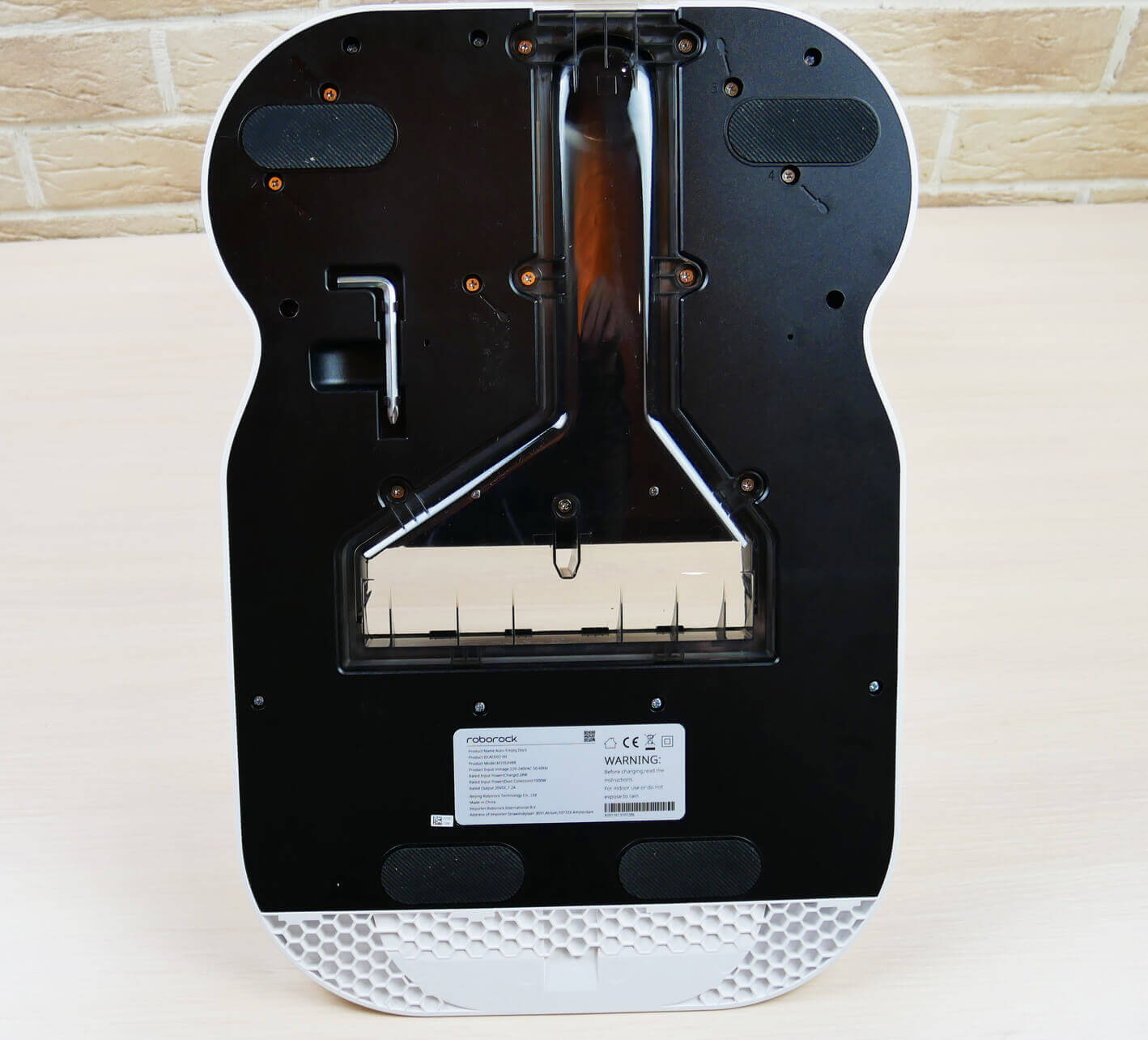
The reverse side of the platform
The platform contains the robot vacuum cleaner's charging terminals, a suction channel through which debris is discharged from the dust collector into a compartment on the base, and brushes made of bristles that are used to clean the charging terminals on the robot when it enters the platform.
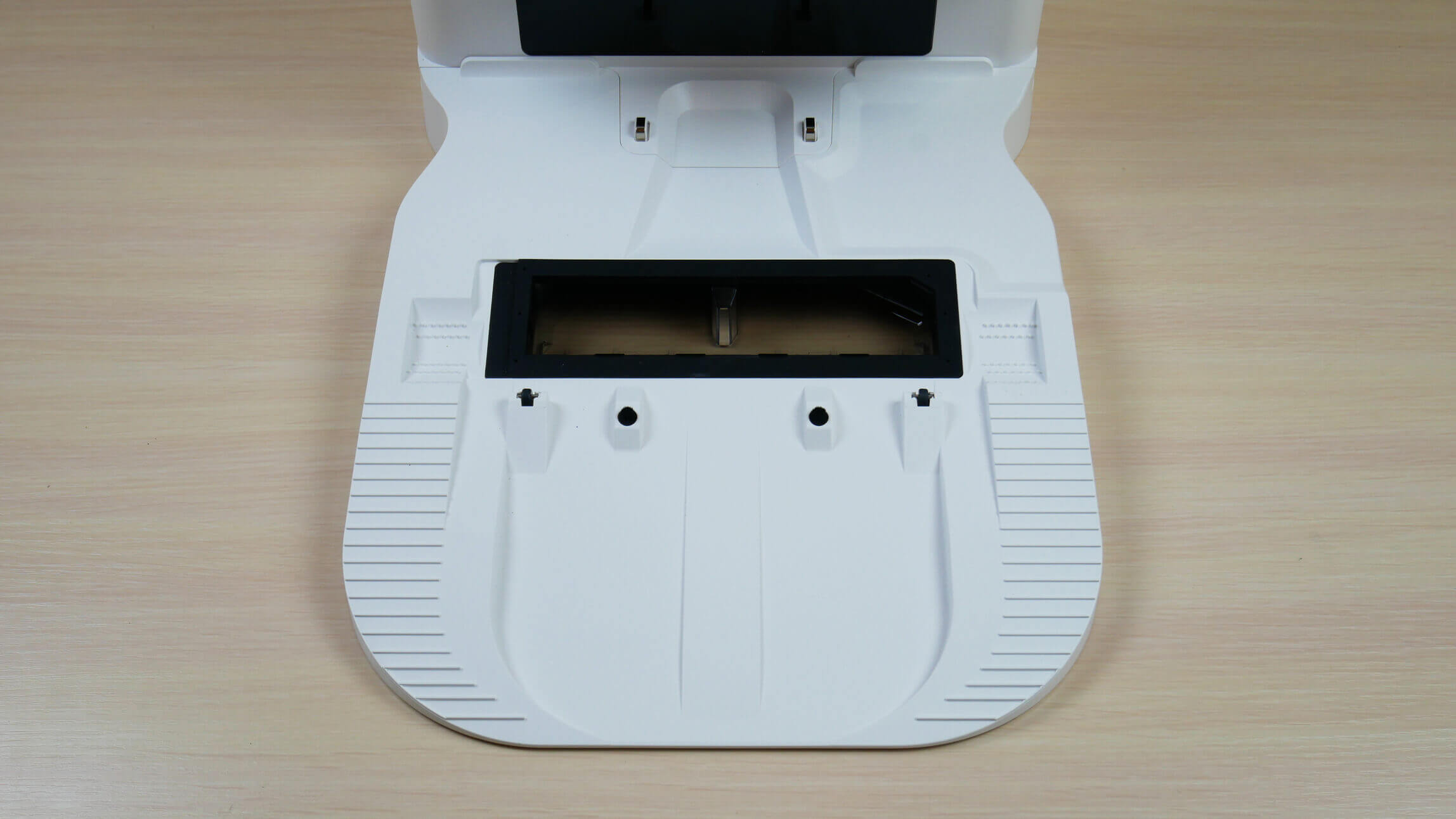
Platform for robot entry
Let's move on to the motor compartment. On the left side is the motor itself and the filtration system. Incidentally, the motor's power is stated at 1 kW. It's important to note that the Roborock S7 self-cleaning station is equipped with a well-designed, individual filtration system for exhaust air. Inside, there's a fabric filter with a foam padding, surrounded by an additional semi-circular HEPA filter. Roborock deserves a big thumbs up for this filtration system.
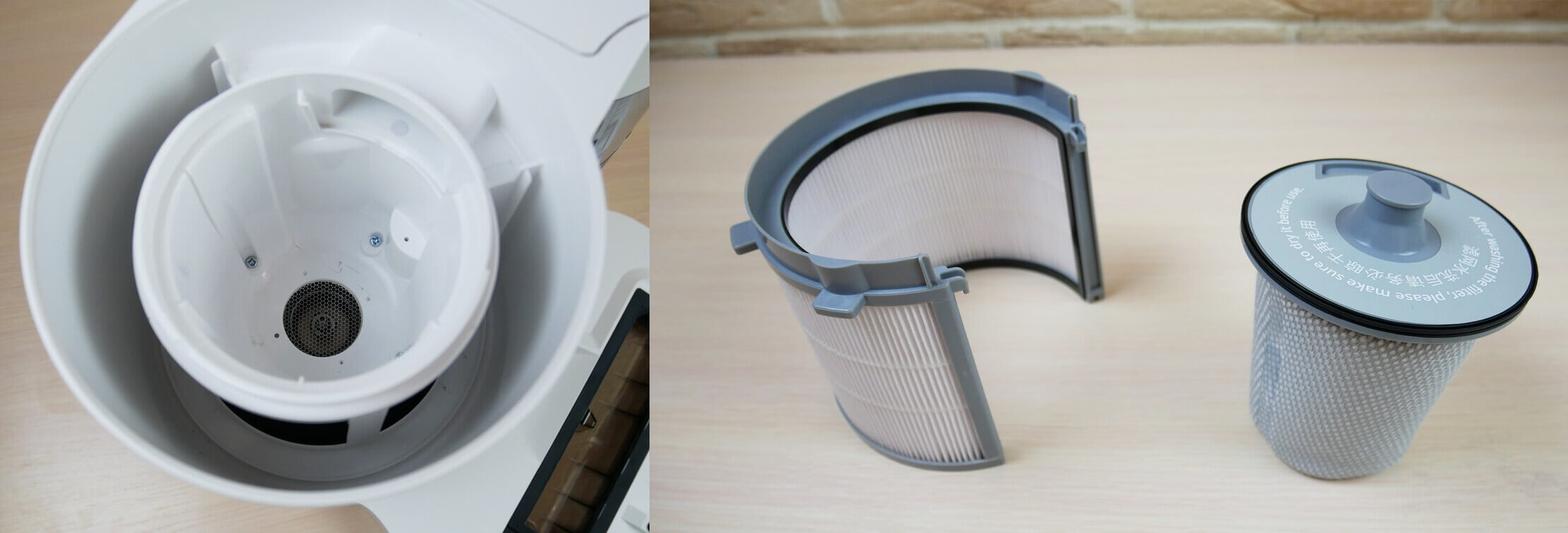
Filtration system
Now let's look at the dust bin. The container is transparent, with a visible mark indicating the maximum dust level. A mechanical button is located at the bottom; when pressed, it opens the bottom cover, emptying the dust bin. A cyclone with an additional mesh filter is located inside the container. This filter is removable for maintenance. Overall, the dust bin is very similar to those found in cordless upright vacuum cleaners, only larger in size.
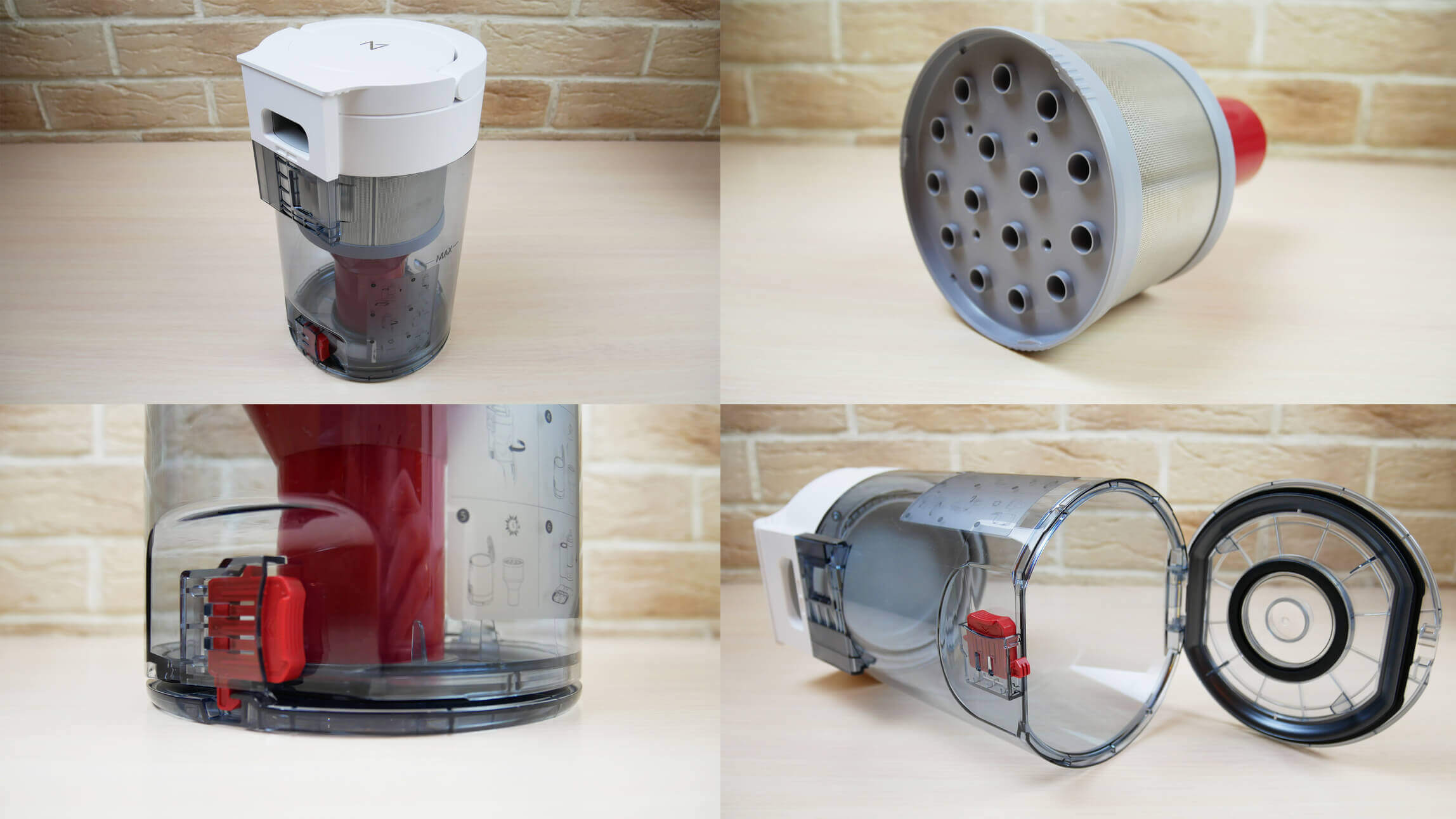
Waste collection compartment
Another key feature of the Roborock station is that you can remove the cyclone and replace it with a holder with a disposable bag that holds up to 3 liters of dry waste. This capacity is enough for 2-2.5 months of use.
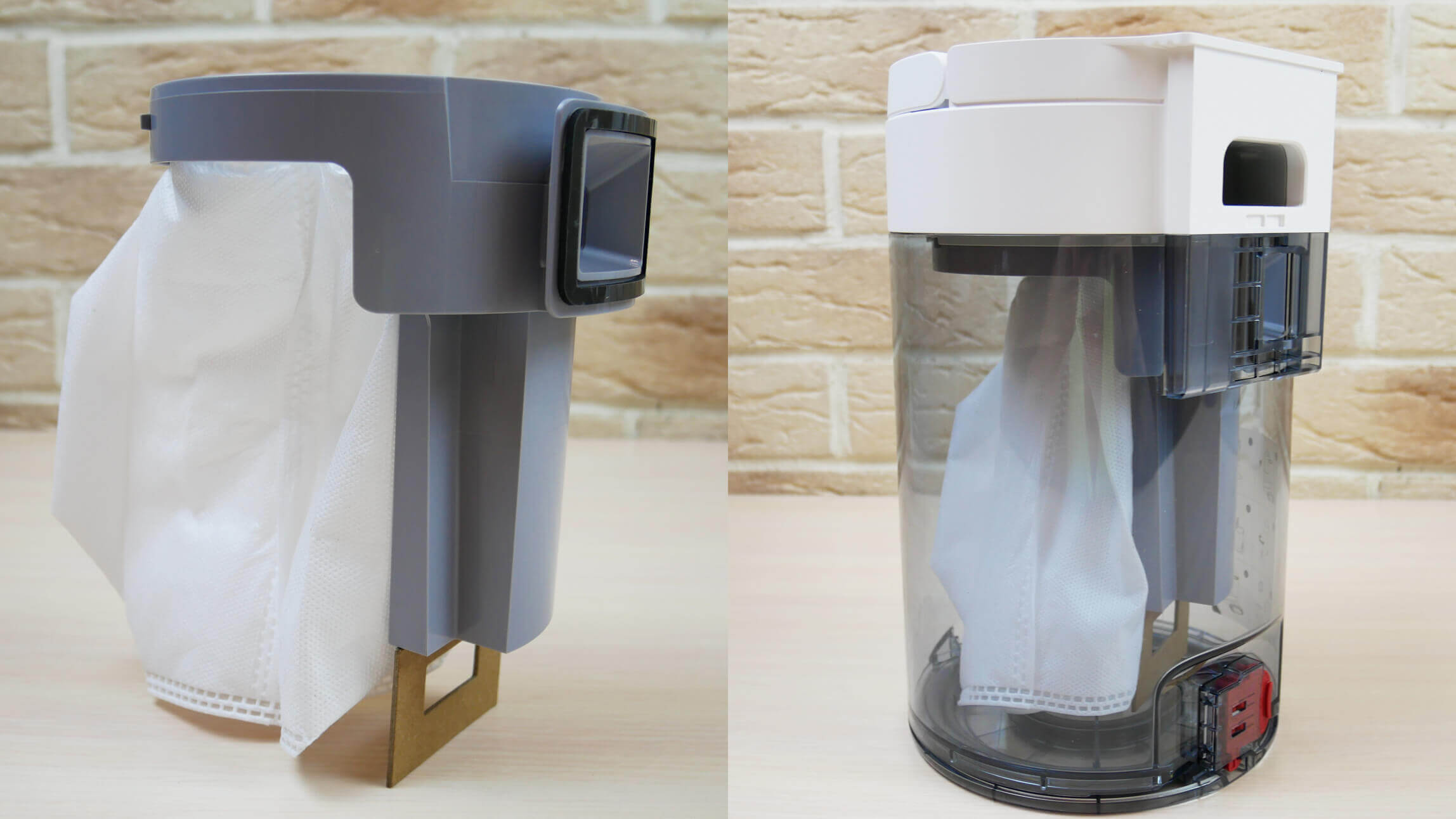
Flask with a bag
This solution is truly brilliant – if you don't want to handle trash at all, order disposable bags and use them. If you want to save on maintenance, simply empty the flask and rinse it occasionally if needed. Incidentally, the capacity of the cyclone dustbin isn't stated, but judging by the volume, it holds less than 3 liters, as the cyclone itself takes up a lot of space.
The next thing to mention is the waste discharge mechanism. The docking port is located in the station's platform. However, there's no traditional dust bin or bottom curtain. This is because waste is discharged through a compartment containing the central brush. There's ample space between the brush and the walls of the suction channel. Moreover, during waste discharge, the brush rotates in the opposite direction, helping the dust bin's contents move into the station's waste chute. This is a new solution, unlike other solutions. self-cleaning robot vacuum cleaners I've never encountered anything like this. We'll definitely check how this approach to waste disposal works in practice.
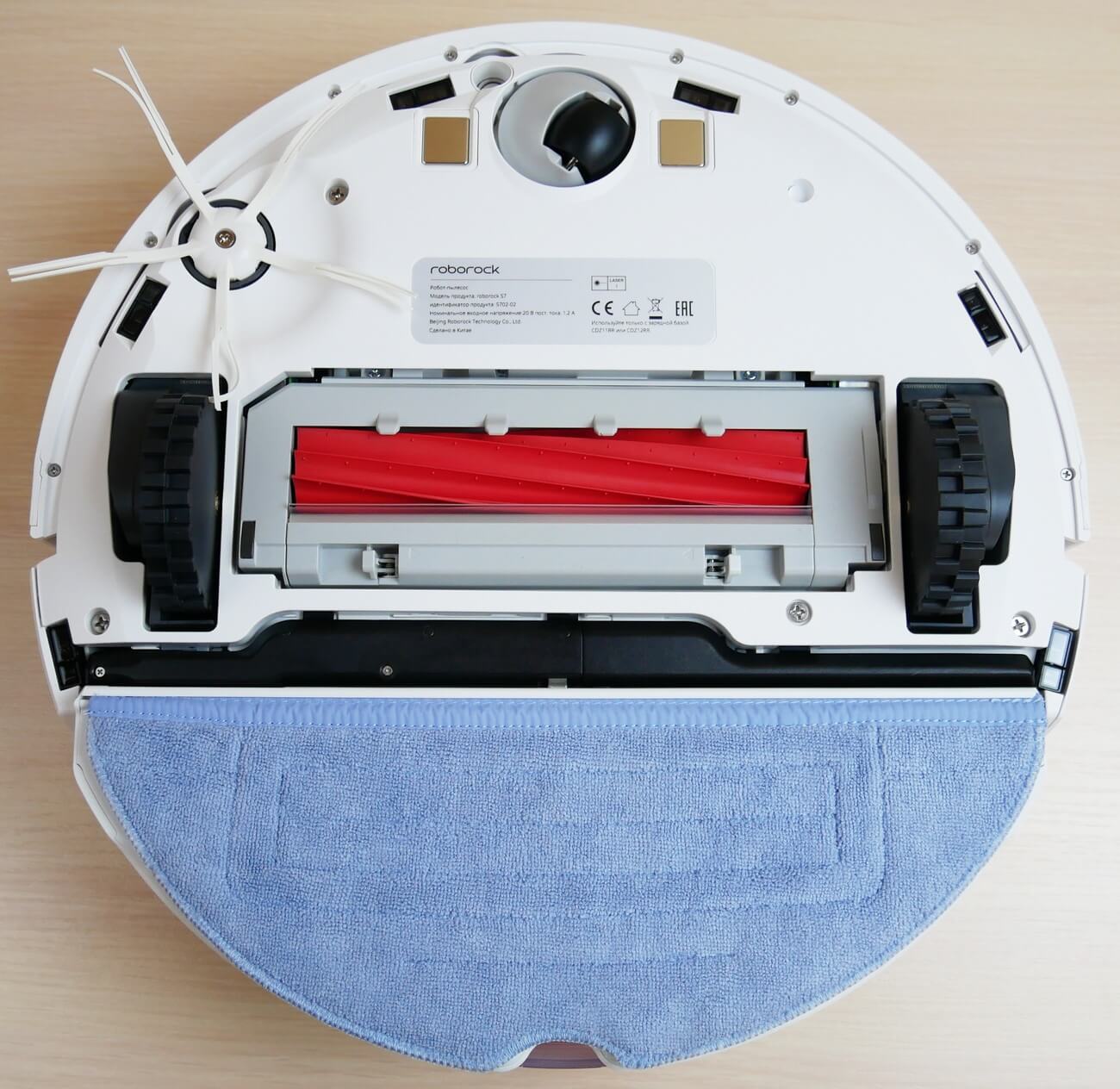
Roborock S7 from below
The last thing I'd like to highlight is the dust container included with the station. It's exactly the same size as the one installed in the robot. However, there is a difference in design.
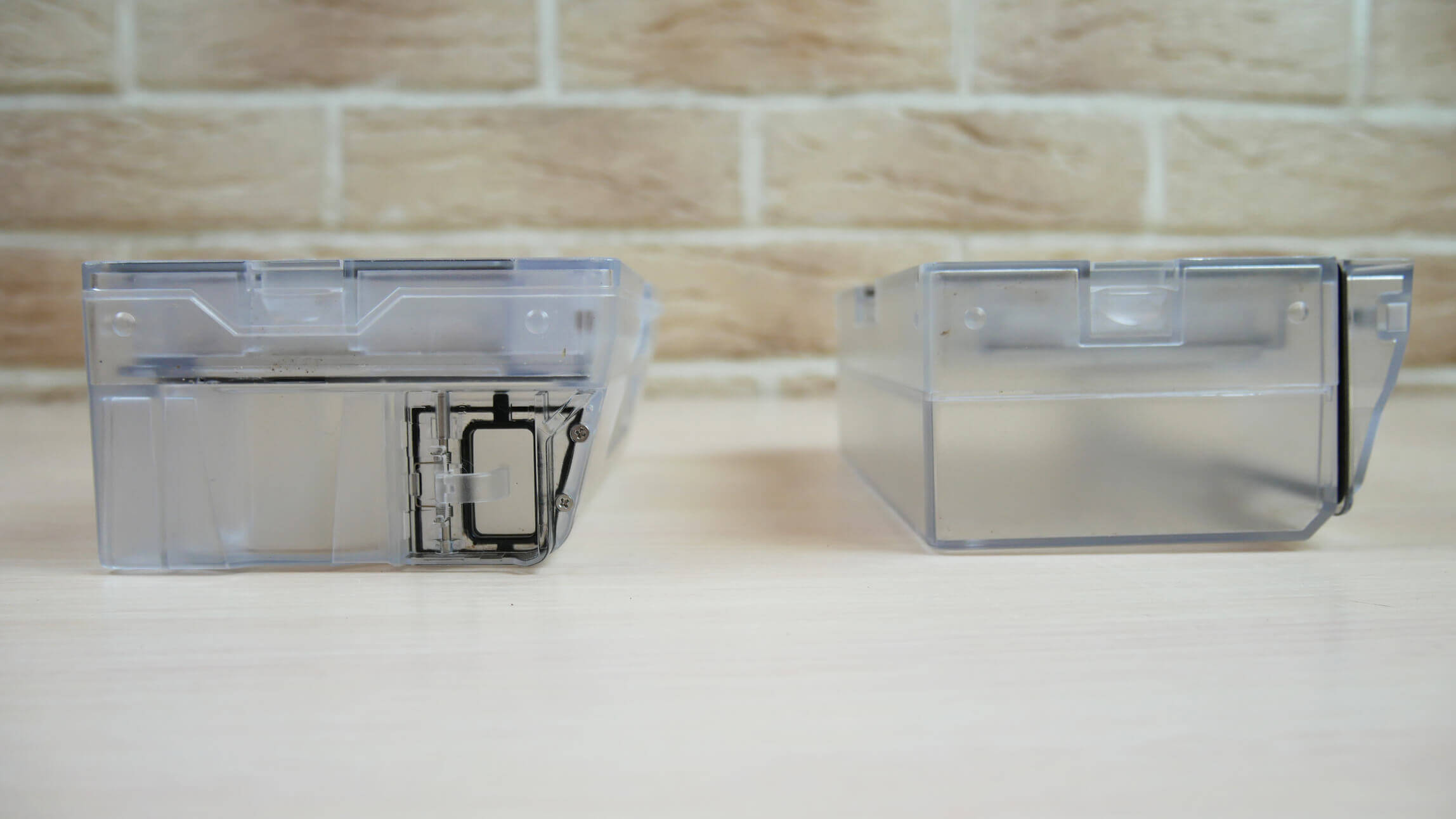
Comparison of dust collectors
Well, firstly, the new dust container has a ventilation hole with a curtain. Secondly, there's no lid to open the container and empty the dust. You can, of course, empty it through the compartment with the HEPA filter, but there's little point in doing so, since the dust is emptied automatically. The only way to do this is if the dust container gets blocked by something that gets sucked into the robot vacuum.
Overall, the design and ergonomics of the self-cleaning base are very high-quality. I have no complaints whatsoever. Let's move on!
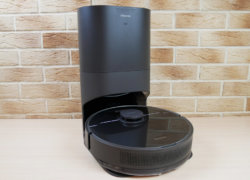
By the way, here's what the Roborock S7 looks like on its self-cleaning station:
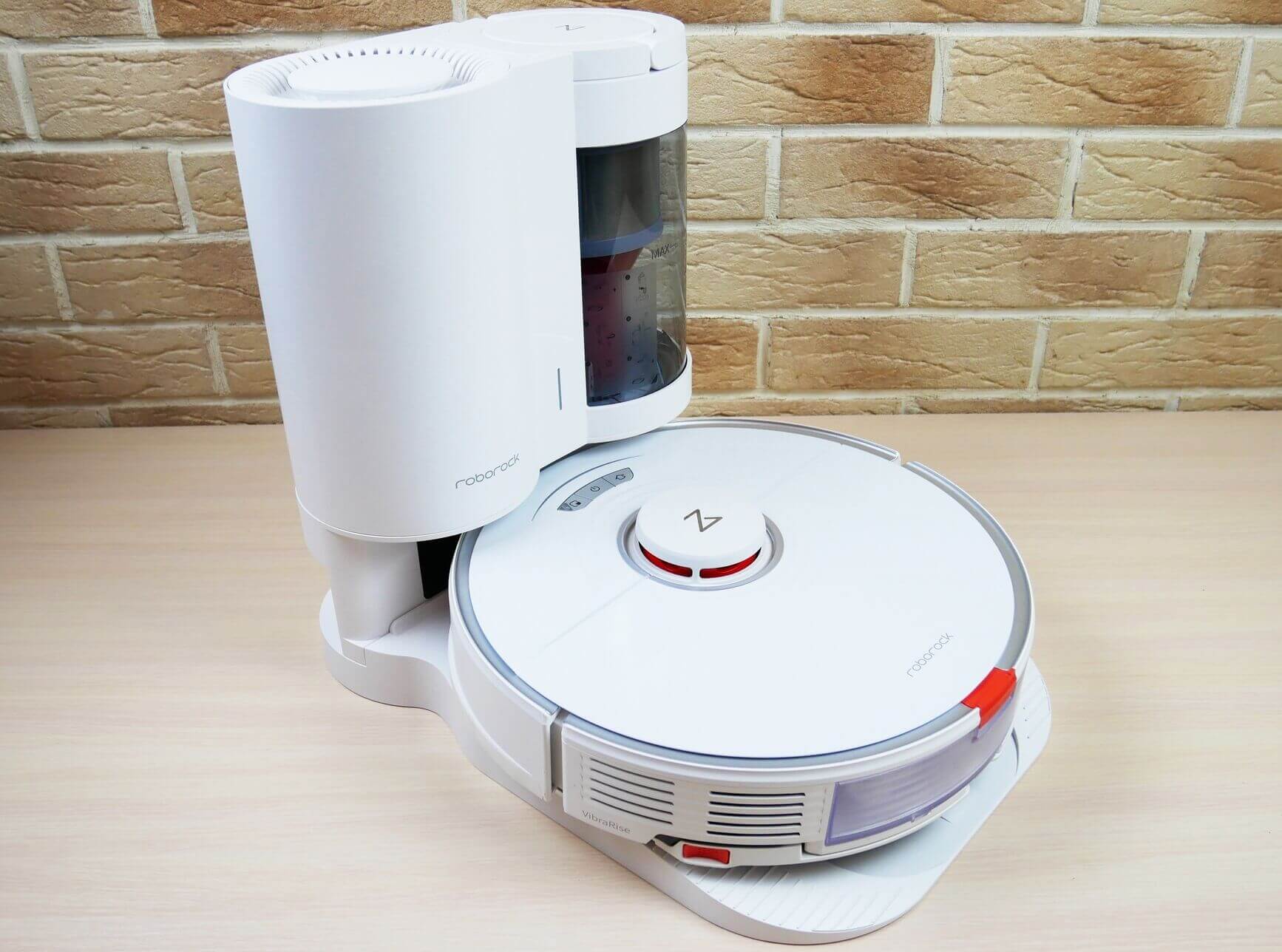
Roborock S7 at the station
Settings and functions
When connecting the station to the network, new functionality is automatically added to the Mi Home app. The robot vacuum cleaner understands that this is a self-cleaning base station, so there's no need to manually connect or configure anything. You might just need to update the app if necessary.
Immediately after selecting a self-cleaning station in Mi Home, a quick user guide for that station appears. First, remove the ventilation duct cover inside the robot and install the dedicated dust collector.


Mi Home
We see that a forced self-cleaning function has appeared in the bottom left corner of the main screen. When you tap it, the robot vacuum cleaner will self-clean. Incidentally, this process takes about 30 seconds.
A new section called "Dump Dock Settings" has also been added to the settings. Here, you can enable or disable the self-cleaning feature and choose one of four dump modes. As far as I understand, the modes differ in dump speed and suction power. However, in reality, I didn't notice much of a difference, for example, between the Smart and Maximum modes.
It's worth noting that if you force self-cleaning too frequently, this function is disabled. The robot emits a voice alert that the function cannot be activated temporarily and that you need to wait. In a normal household, you may never hear this message, but during several consecutive tests, and not just once, the blocking caused inconvenience.
Checking the quality of self-cleaning
A detailed video review with all the tests has already been prepared and published on the channel. I recommend watching the video:
Well, let's move on to the main question - how good is the station? Roborock S7 It's self-cleaning. I tested it alongside self-cleaning stations from other brands, under identical conditions, to compare the results and determine which station is better. The comparison test will be published on the channel very soon. For the purposes of this review, I'll only show the results of the Roborock station.
Six tests were conducted, each with a different dust structure. I loaded the dust bin with 100g of sand, 100g of buckwheat, 100g of beans, 100g of sunflower seeds, 100g of nutshells, and, in the final test, without measuring the weight, I completely filled the bin with wool and hair.
The result was a mixed bag. The Roborock S7 vacuum cleaner sucked up 98 out of 100 grams of sand, only 27 out of 100 grams of buckwheat, 99 out of 100 grams of beans, 81 out of 100 grams of sunflower seeds, and 36 out of 100 grams of shells.
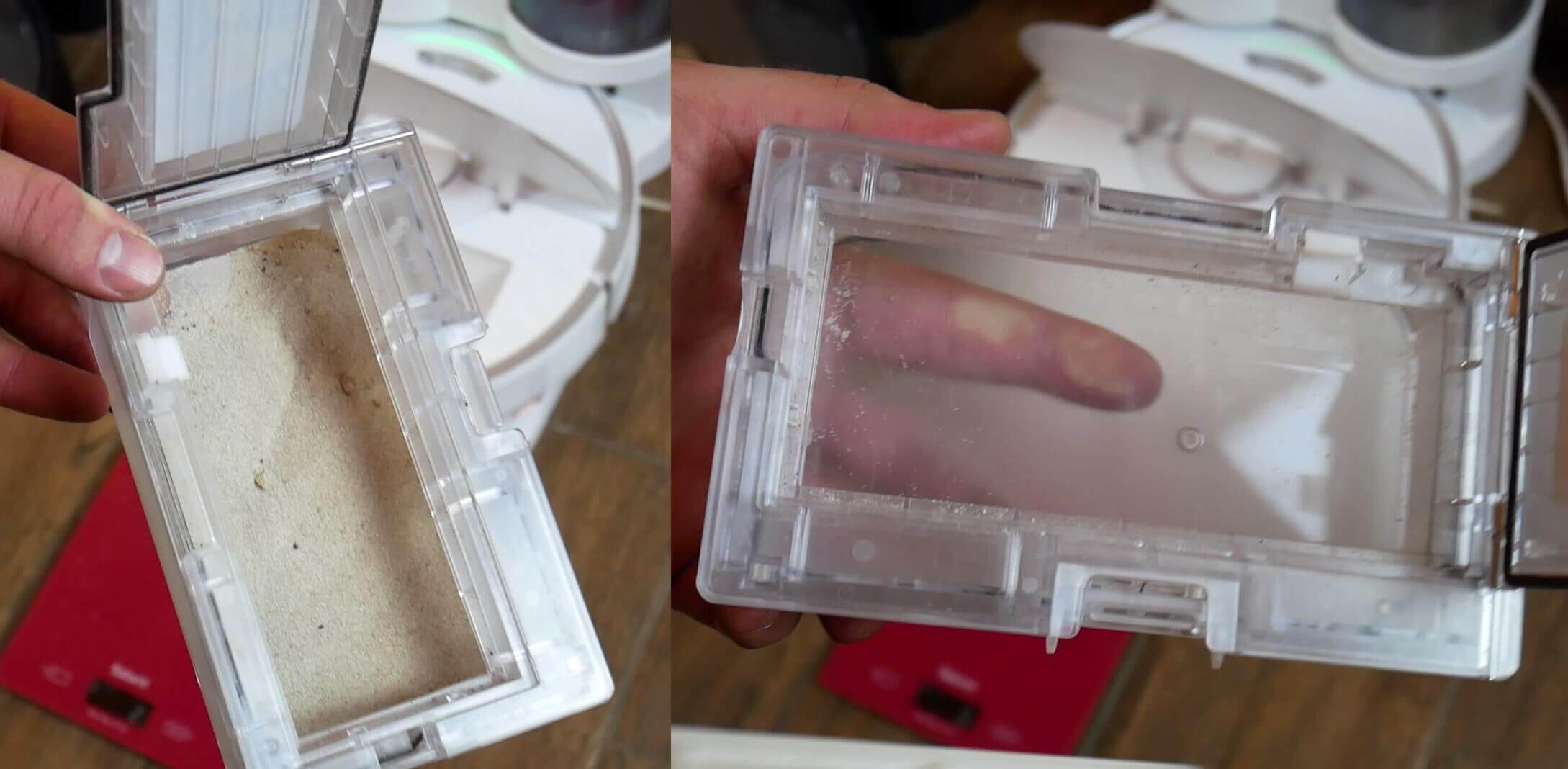
Self-cleaning from sand
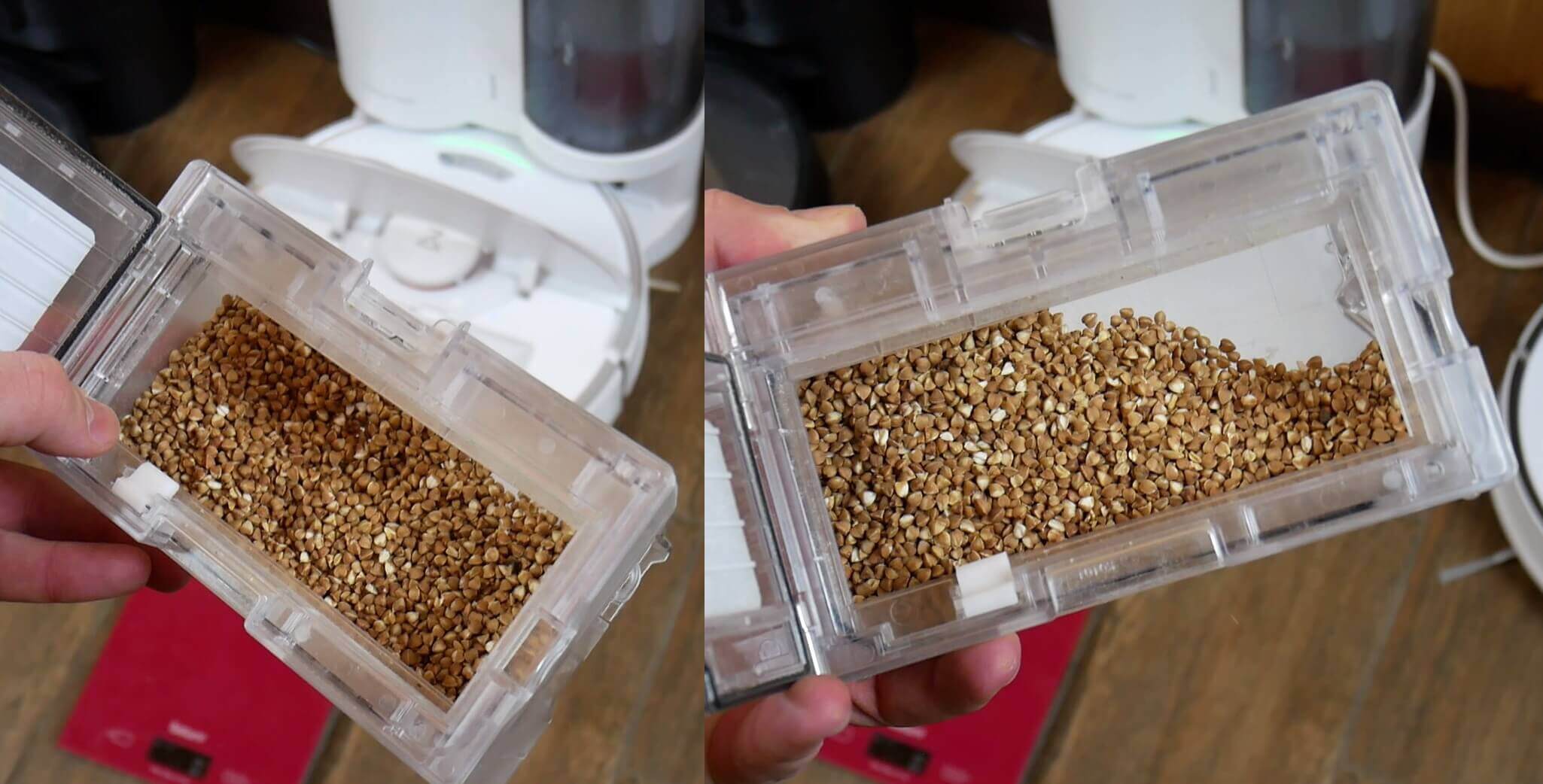
Self-cleaning from buckwheat
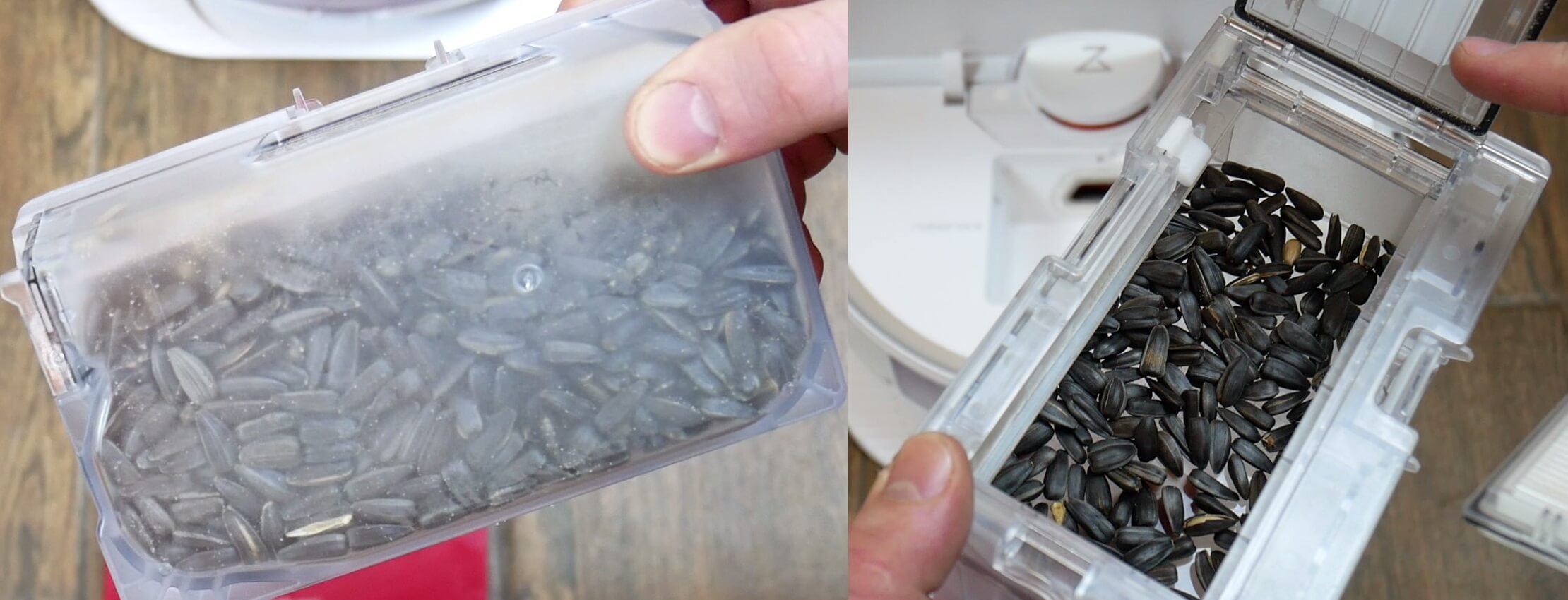
Self-cleaning from seeds
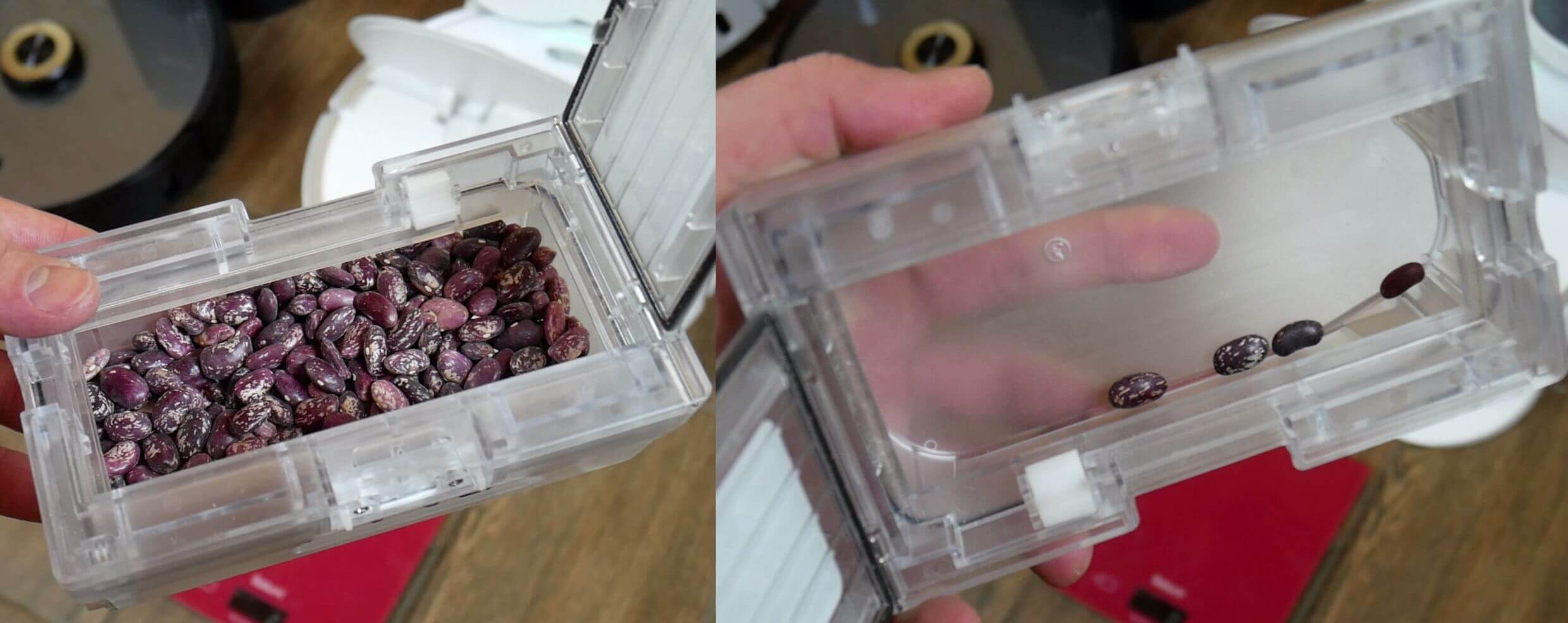
Self-cleaning beans
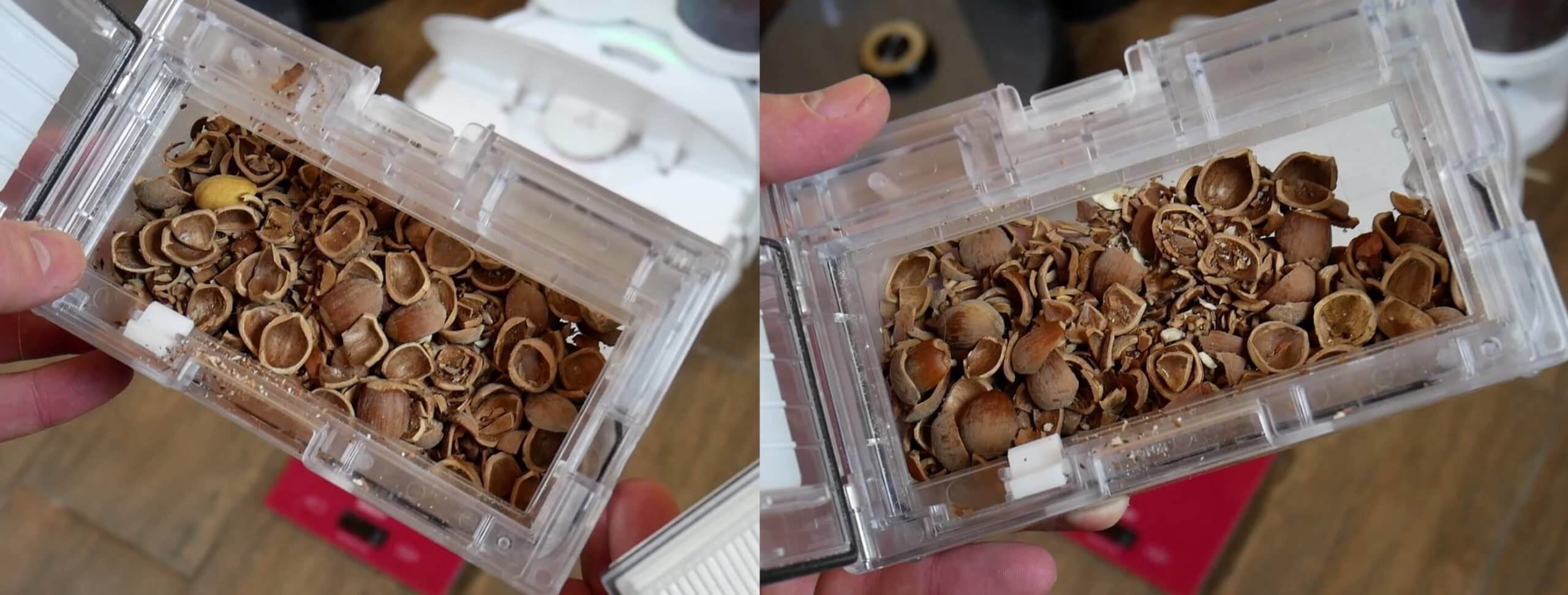
Self-cleaning from the shell
The station only managed to unload hair and fur on the second attempt, but even then, there was a problem: hair and fur were pulled out of the dust collector. Some of it was visible in the station's vacuum cleaner, but that's not all. The bulk of it, however, was found between the central brush and the suction nozzle. When repeated checks were made, the station generated an error message and warned that the dust discharge system needed to be checked for blockages. So, there are issues with unloading hair and fur.
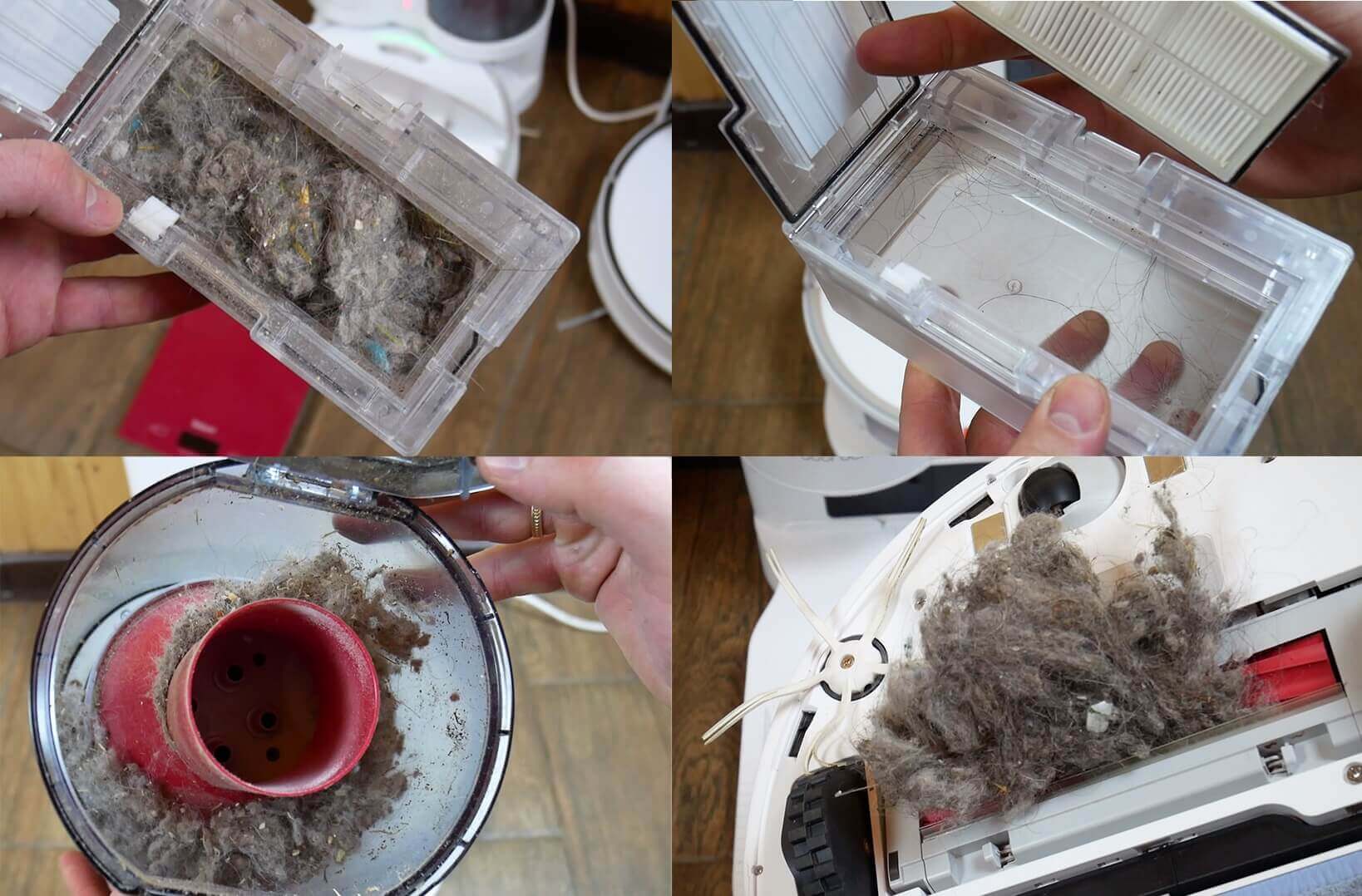
Self-cleaning from hair and wool
Obviously, the dust container was filled manually, not by the turbo brush's natural throwing of debris. This may have impacted the station's efficiency if the results were compared to those of a natural filling and emptying system. However, in the same comparative test, some stations demonstrated more efficient waste removal under the same conditions.
Ultimately, I can say that the implemented dust discharge mechanism is far from ideal. Yes, under typical household waste conditions—for example, when the dust bin contains a mixture of hair, fur, dust, and small debris, and when the bin is 30-50% full—the self-cleaning performance could be better. But there are still definitely issues, especially with hair and larger debris that can get stuck in the central brush compartment.
Advantages and disadvantages
Let's move on to the summary. Among the advantages of the Roborock self-cleaning station, I can highlight:
- The practicality of the base is that you can use it with or without a disposable bag.
- High quality filtration system.
- High build quality.
- A long cord for connecting the base to the power outlet. It's important to note that the cord is 1.8 meters long, which should be sufficient to avoid the need for an extension cord.
Well, as for the disadvantages, these are definitely:
- The cost of the station is very high.
- Average self-cleaning quality.
So, ultimately, the option is certainly interesting, but for that kind of money, I'd expect the station to at least perform its primary function perfectly, or as close to it as possible. Whether to buy it or not is up to you.
You can order the station on AliExpress by following this link (there are good discounts in November):
Purchase already in Russia:
On that note, I'd like to end this review. If you have any questions, please ask them in the comments. Happy shopping, everyone. Bye!
Finally, I recommend watching a video review of the Roborock S7:
In actual use, the only complaint about this base is that it's a bit noisy. The cleaning itself is flawless.
When I first read the review, in the part about how it doesn’t clean well with hair, I didn’t buy either the robot or the base right away.
I started asking friends and asking around online. Everyone said there were no problems.
I decided to buy it despite the review here.
My Alabai has been shedding for three weeks now. He's got a full container, morning and evening. I don't know what the owner stuffed in there or how, or what got stuck. But there haven't been any problems at all.
It's amazing how convenient it is to empty this container into the garbage chute.
As for the robot itself, it washes perfectly (except for a couple of centimeters near the wall).
Cleans the floor better than I do. The rag is super convenient for cleaning; you don't have to take it off and put it on.
Lifehack: There are floor cleaners that don't require rinsing. Wash a rag, apply it evenly to the RAGS!!! (not into the water tank), and it's perfect.
The self-cleaning base, yes, is loud. But only for 5 seconds. In the evening, set the "Do not disturb after 10 PM" mode and it's fine.
Back to the previous one. So, another three months. It still didn't vacuum up the hair once. I didn't vacuum for six days. It was very tightly packed in the container. It's possible. But it's not really a reason not to buy it.
Hello! I've been reading and rewatching a bunch of reviews—according to the instructions, the dust should automatically eject into the docking station when you return it to the station. I can't seem to get this to work. The Roborock S7 MaxV doesn't work in the Mi Home app (I already have it, I used it for older vacuums). I had to download the Z app for it. In the docking station settings, there's an option for "automatic dust ejection," but nothing ejects automatically; it only ejects by pressing the "start dust dump" button on my phone. What's wrong with my settings?
What's the self-cleaning frequency set? You can choose either every time you return to the station or every few cleanings.
Thanks for your reply, but my version of the app doesn't have a frequency setting. It only has "automatic trash disposal" enabled, and the trash handling mode is checked—check "Smart" and choose the trash disposal mode that's best for your home. But the app doesn't go any further, it's just the last page. Should I delete it and reload it?
Try it
Hello. Could you please tell me if I can set up and use the station without Wi-Fi? Can I turn on the vacuum cleaner manually and then have it clean itself?
I haven't tried it, so I can't tell you. In any case, the robot needs a stable Wi-Fi connection to work properly.
Good afternoon. A Max V Ultra station is suitable for the Roborock S7, allowing you to wash the cloth and fill it with water.
No